
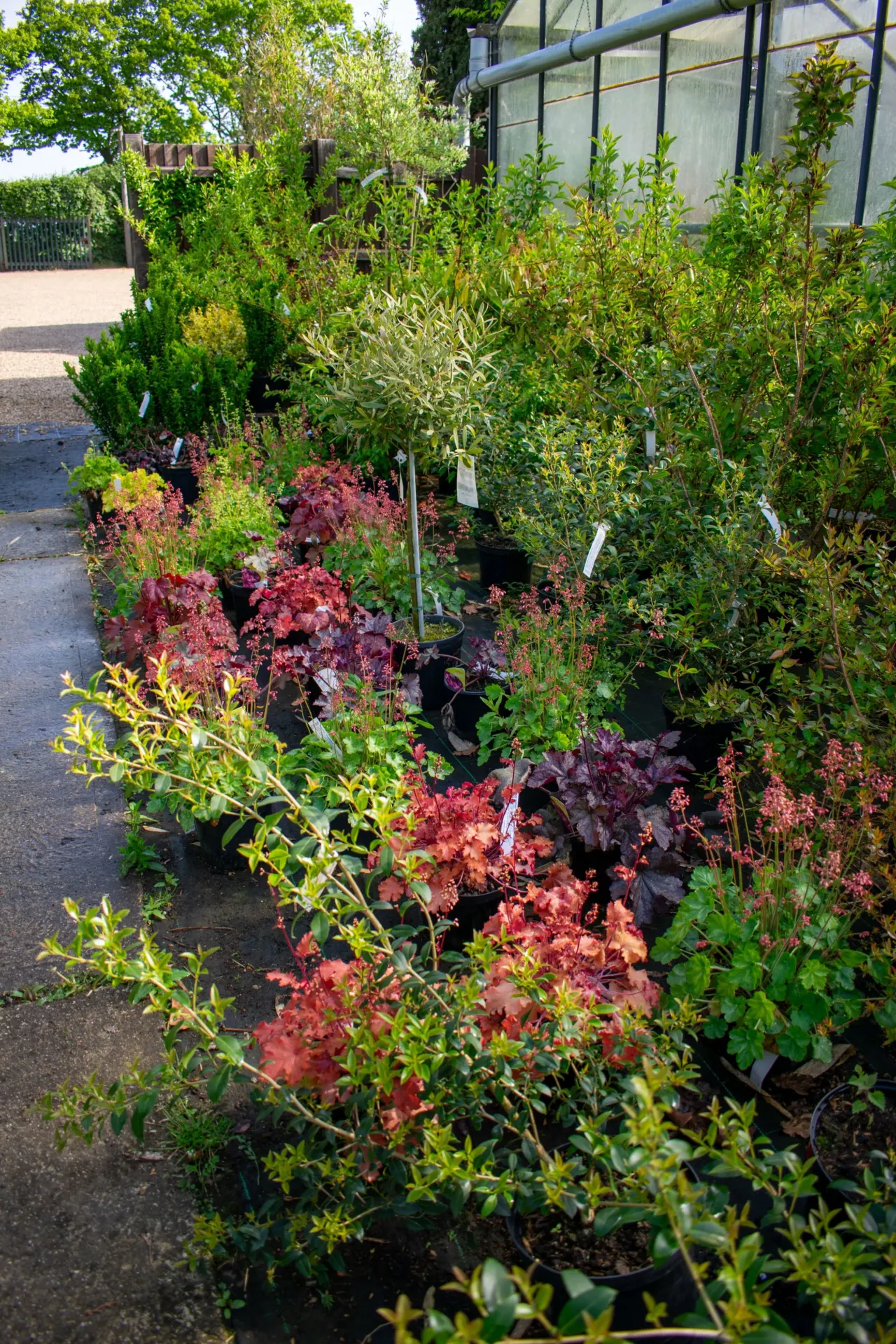
Perennials
Herbaceous perennials
Colour, texture and pollinator-friendly plants that come back year after year.
Plants that come back every year
Herbaceous perennials die back in winter and return each spring, bigger and better. They’re the quickest way to fill a border with colour and texture – and many are wonderful for bees and butterflies.
For sunny borders
Salvias, nepeta, hardy geraniums, echinacea and sedums thrive in sun and bring months of colour.
For shade
Hostas, ferns, heucheras, hellebores and epimediums are perfect under trees and in shady corners.
For pollinators
Open, single flowers such as nepeta, salvias, echinacea and verbena bonariensis are magnets for bees.
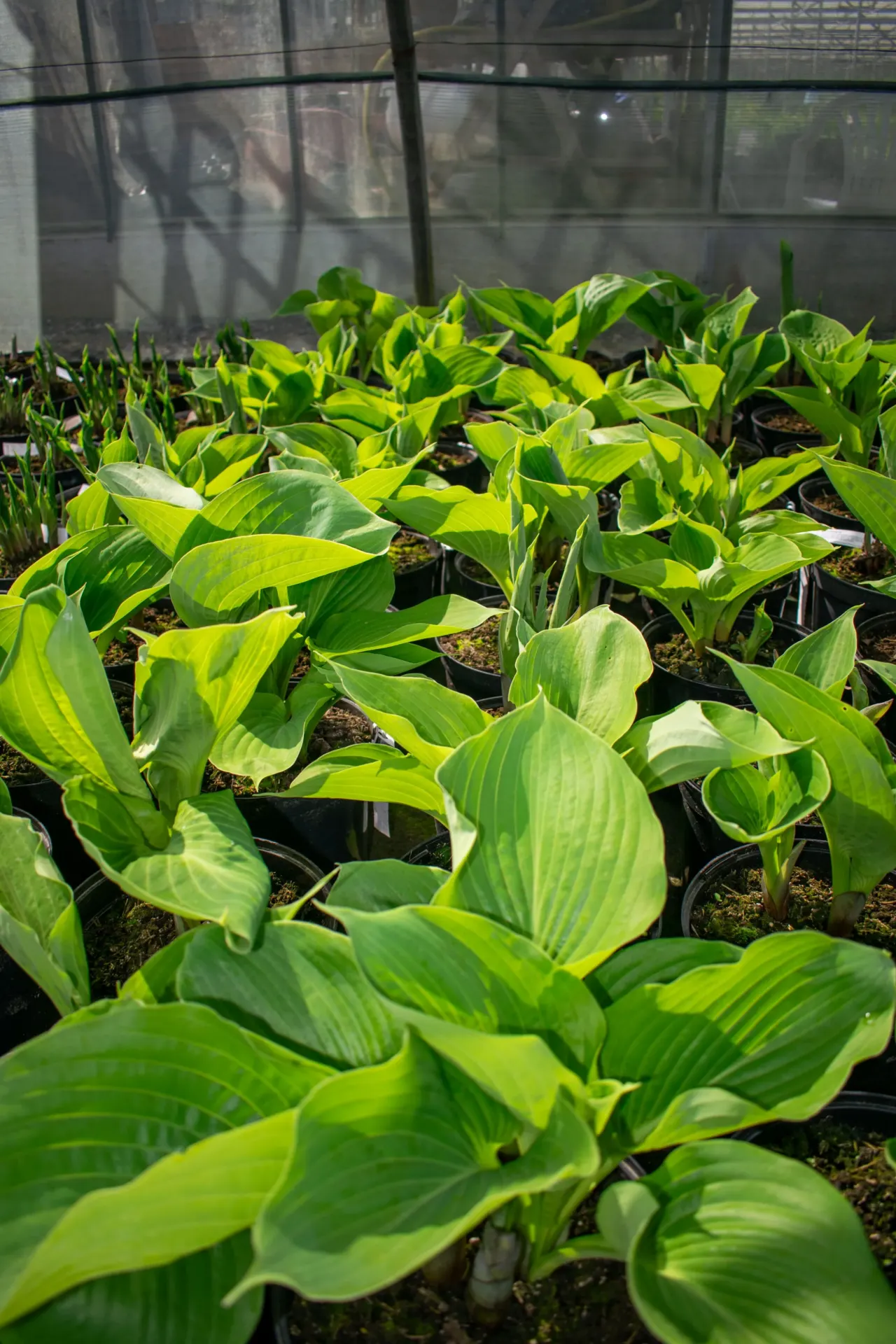
Growing perennials
Simple care, big rewards
- Plant in groups of three or five for a natural, generous look.
- Prepare the soil with organic matter, and water well until established.
- Cut back in late autumn or early spring – leaving seed heads over winter helps wildlife.
- Divide clumps every few years in spring or autumn to keep them vigorous – and get free plants.
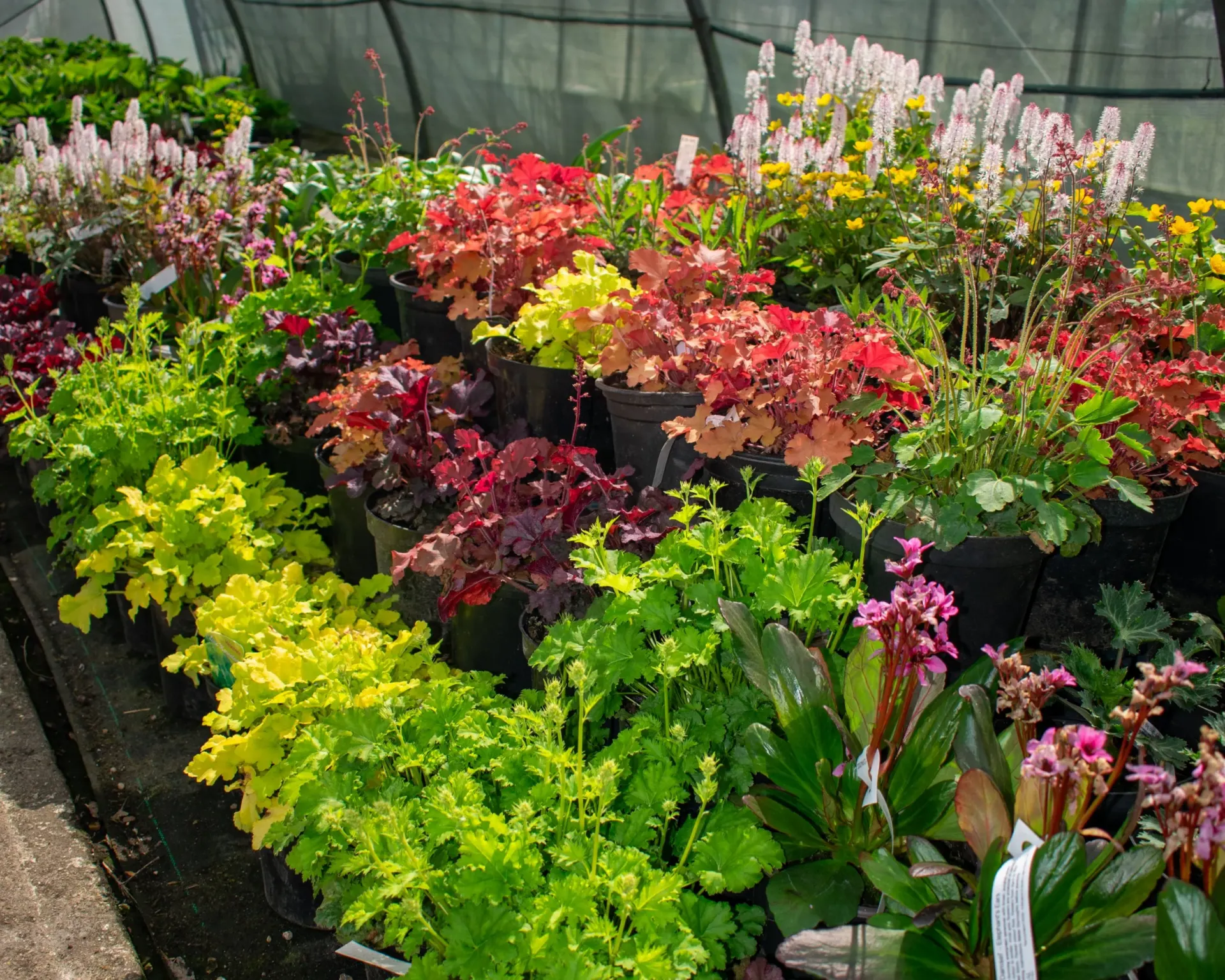
Perennial FAQs
What is a herbaceous perennial?
A plant that lives for several years, dies back to the ground in winter and regrows each spring.
When should I plant perennials?
Spring and autumn are best, but container-grown perennials can go in at any time if you keep them watered.
Which perennials grow in shade?
Hostas, ferns, heucheras, hellebores, epimediums and hardy geraniums such as Geranium macrorrhizum all do well in shade.
When should I cut perennials back?
Either in late autumn or in early spring. Leaving stems and seed heads over winter provides food and shelter for wildlife.